
Pomegranates good for you 10 tips
Pomegranates are harvested in winter, specifically from November to January. They are recognized for their juicy seeds, which have a tangy-sweet flavor. These fruits are high in antioxidants and nutrients. The seeds can be eaten fresh or used in juices, salads, or as garnishes in different dishes.
what is pomegranates
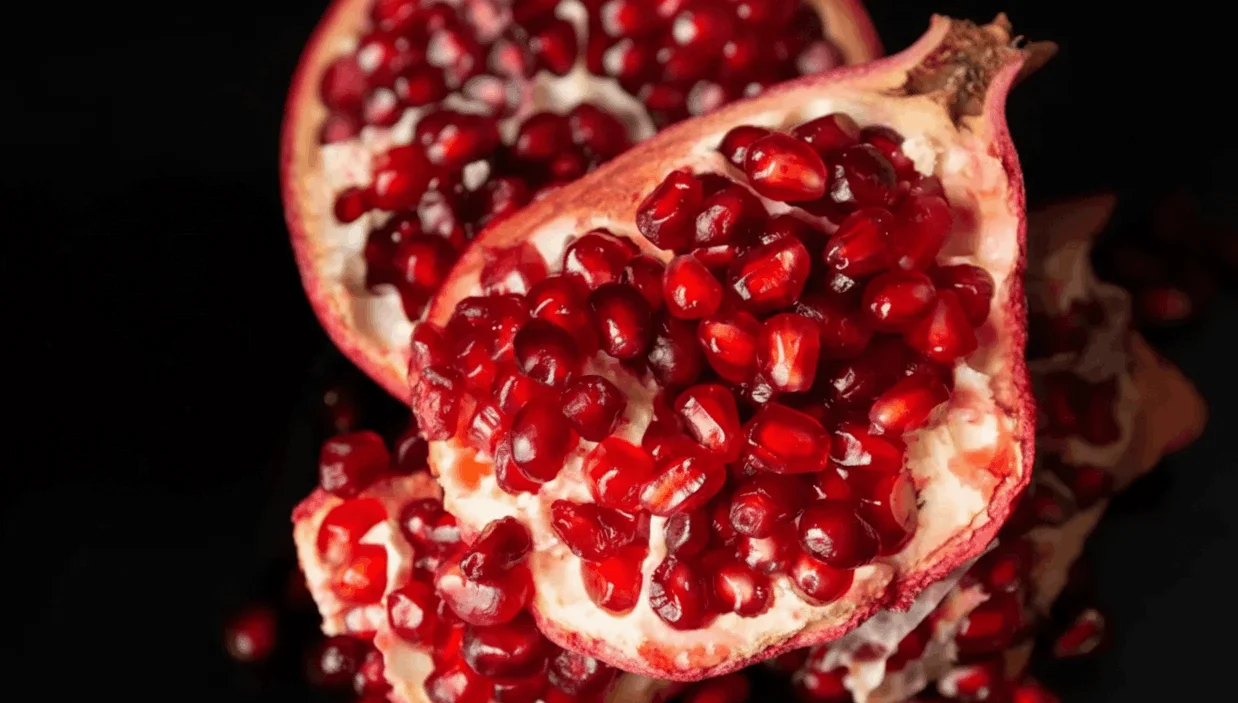
The pomegranates (Punica granatum) is an ancient fruit that carries a great deal of symbolism and religious significance. It is also quite beautiful. Its name comes from Latin and roughly translates to “seeded apple.” While the resemblance to an apple may be limited, its seeds are indeed remarkable. Each pomegranate holds hundreds of seeds, each encased in a fleshy, gem-like coating known as an aril, which can be red, pink, or pale yellow, all surrounded by a bitter (and inedible) pith.
Family: Lythraceae
Scientific name: Punica granatum
Genus: Punica
Kingdom: Plantae
Order: Myrtales
when are pomegranates in season
When does pomegranates season occur? They bloom from late September to November, but due to their robust structure, they remain available until December and sometimes even into early January. If you purchase groceries online using Fetch Shop, you will earn rewards for every pomegranates you buy through the Fetch app.
where do pomegranates grow
Pomegranates grow in warm, dry, and sunny regions worldwide, thriving best in subtropical and Mediterranean climates.
They are commonly cultivated in:
Middle Eastern countries, including Iran, Turkey, and Israel
South Asia, comprising India, Pakistan, Bangladesh and Afghanistan
Mediterranean regions, such as Spain, Italy, and Greece
North Africa, including Morocco, Egypt, and Tunisia
The United States, primarily in California and Arizona
Certain areas of Central Asia and China
what are pomegranates good for
Pomegranates are abundant in natural plant compounds that protect the body from damage and reduce inflammation. These potent antioxidants promote overall health by decreasing the risk of chronic diseases like heart issues and joint pain. They also aid in strengthening the immune system and enhancing blood circulation. Furthermore, the nutrients in pomegranates help maintain healthy, radiant skin and shield it from environmental stress. Consuming this fruit regularly can lead to improved long-term health and well-being.
the color of pomegranates
Pomegranates are typically deep red, but their appearance can differ based on the variety and ripeness. Some fruits have bright red or reddish-pink skin, while others may have yellowish-orange or dark maroon hues. In rare instances, pomegranates can be pale pink or nearly white on the outside. Inside, the juicy seeds are usually ruby red or bright pink, although some varieties feature lighter or nearly clear arils. This diversity of colors makes pomegranates both visually appealing and tasty.
what do pomegranates taste like
Pomegranates possess a distinct sweet-and-tart flavor that is both refreshing and rich. When they are fully ripe, they have a pleasantly sweet taste with a slight tang or sour note. Certain varieties tend to be sweeter, while others are more tart.
The juicy seeds release a burst of flavor when bitten into, providing a combination of fruity sweetness and mild acidity. Due to this balanced taste, pomegranates are enjoyed fresh, in salads, juices, desserts, and even savory dishes.

Pingback: How to Make Money as a Food Blogging? A Beginner’s Guide to Profit -2026